

Introduction
India is on the path to becoming a Green India, but achieving this goal requires more than just planting trees. One of the biggest challenges the nation faces is waste management. With rapid urbanization, rising population, and changing lifestyles, the amount of waste generated has increased drastically. Without proper solid waste management, our vision of a clean, healthy, and sustainable India will remain incomplete.
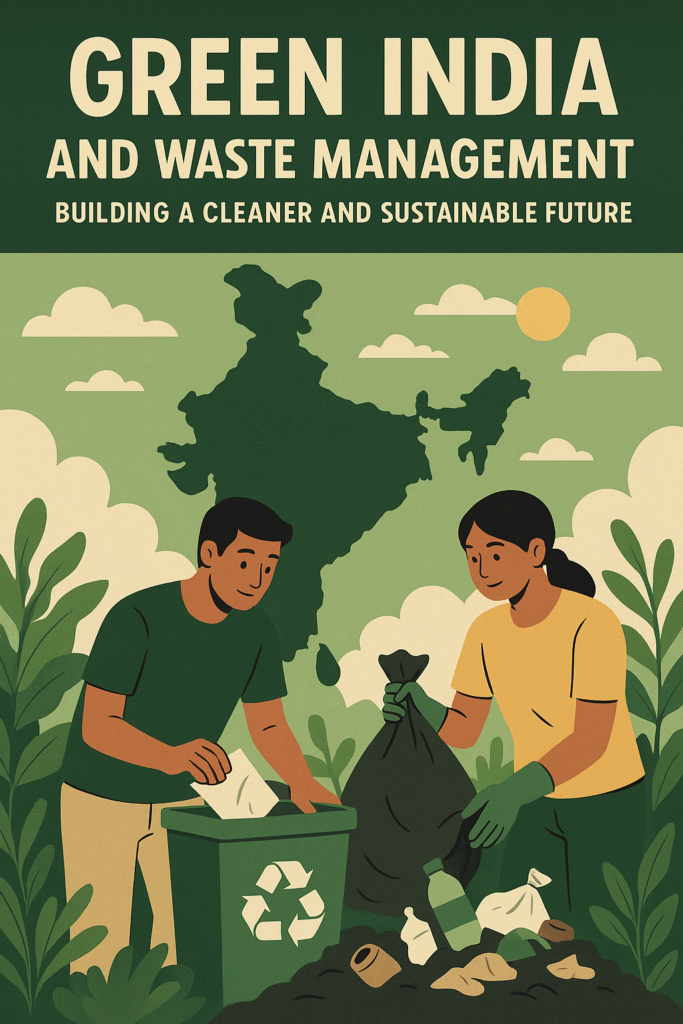
In this article, we explore why waste management matters, how WM waste management solutions are reshaping the future, and what steps individuals and communities can take to contribute.
Why Waste Management is Crucial for Green India
India generates nearly 62 million tons of waste every year, and a significant portion ends up in open landfills. This not only pollutes the environment but also affects public health. Proper waste management is vital because it:
- Reduces land and water pollution
- Minimizes greenhouse gas emissions
- Creates opportunities for recycling and reuse
- Supports the vision of a Green India by making cities cleaner and healthier
Solid Waste Management: The Backbone of Sustainability
Solid waste management involves the collection, treatment, and disposal of household, industrial, and biomedical waste. Effective systems ensure that waste is segregated into biodegradable, recyclable, and non-recyclable categories.
Some of the best solid waste management solutions include:
- Segregation at Source: Households separating wet and dry waste.
- Recycling Programs: Turning plastic, paper, and glass into reusable products.
- Composting: Converting organic waste into natural fertilizer.
- Waste-to-Energy: Using advanced technology to produce electricity from waste.
WM Waste Management: Role of Technology and Innovation
Modern WM waste management companies are introducing smart technologies like AI, IoT sensors, and automated recycling plants.
These innovations help in:
- Monitoring waste collection in real-time
- Improving efficiency of recycling plants
- Reducing the burden on overflowing landfills
- Creating job opportunities in the green economy
How Citizens Can Contribute to Green India
A Green India is not possible without active citizen participation. Simple habits can make a big difference:
- Reduce single-use plastics
- Segregate waste before disposal
- Support community recycling drives
- Encourage eco-friendly products
- Spread awareness about sustainable waste practices
Conclusion
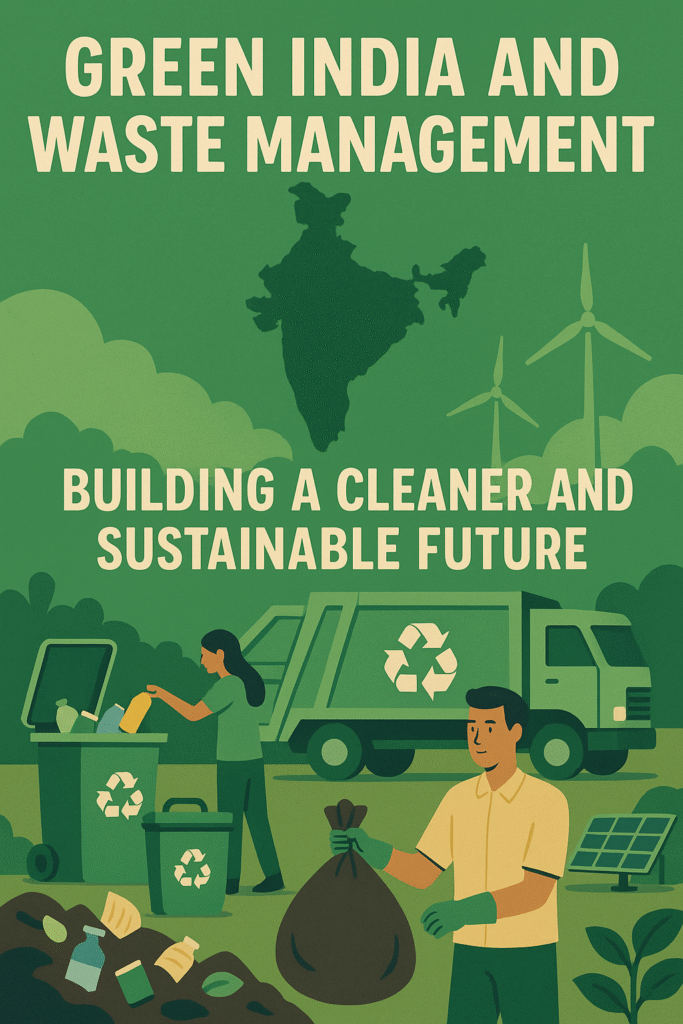
The dream of a Green India can only become reality if waste management becomes a collective priority. From implementing strong solid waste management systems to adopting modern WM waste management technologies, India has the tools to fight the waste crisis.
Every household, community, and business must step up. Together, we can transform waste into resources and build a greener, cleaner, and sustainable India for future generations.

Leave a Reply