
Outline
H1: Introduction
- Importance of HSN codes in the scrap industry
- Why understanding TCS and scrap classification matters
H2: Understanding HSN Codes
- What is an HSN Code?
- Purpose and Use of HSN Codes in India
H2: Brass Scrap HSN Code
- H3: Brass Scrap Classification
- H3: GST Rate on Brass Scrap
- H3: Common Use-Cases for Brass Scrap in Industries
H2: Wooden Scrap HSN Code
- H3: Types of Wooden Scrap
- H3: HSN Code for Wooden Waste
- H3: GST Rate on Wooden Scrap
H2: 7204 HSN Code Explained
- H3: Overview of HSN Code 7204
- H3: Products Covered Under 7204
- H3: Importance of 7204 in Metal Scrap Trade
H2: Scrap Dealers and Their Role
- H3: Who Are Scrap Dealers?
- H3: How Scrap Dealers Operate
- H3: Compliance Requirements for Scrap Dealers
H2: TCS on Sale of Goods
- H3: What is TCS (Tax Collected at Source)?
- H3: TCS Applicability on Scrap Sales
- H3: How Dealers Can Handle TCS Easily
H2: Registration and Compliance
- H3: GST Registration for Scrap Businesses
- H3: Documentation Required for Sale/Purchase of Scrap
H2: Challenges Faced by Scrap Dealers
- H3: Price Fluctuations
- H3: Regulatory Complications
- H3: Maintaining Transparent Transactions
H2: Benefits of Proper HSN Classification
- H3: Avoiding Legal Troubles
- H3: Smooth Tax Filing
- H3: Better Supply Chain Management
H2: Future of Scrap Industry in India
- H3: Government Initiatives
- H3: Growth of Recycling and Green Business
H2: Tips for New Scrap Dealers
- H3: How to Get Started
- H3: Common Mistakes to Avoid
H1: Conclusion
H1: FAQs
Complete Guide on Scrap HSN Codes, TCS on Sale of Goods & Role of Dealers in India
Introduction
Ever wondered how scrap trading is taxed or how to classify it properly under GST? If you’re in the scrap business or planning to be, you must understand the importance of HSN codes, GST implications, and TCS rules.
In this article, we’ll break down key HSN codes like those for brass and wooden scrap, and the significance of code 7204. Plus, we’ll explain the role of scrap dealers and how TCS on the sale of goods can affect your bottom line.
Understanding HSN Codes
What is an HSN Code?
HSN stands for Harmonized System of Nomenclature. It’s a globally accepted system for classifying goods, developed by the World Customs Organization (WCO). In India, it’s used for GST filings to identify goods systematically.
Purpose and Use of HSN Codes in India
In the Indian GST system, HSN codes help reduce ambiguity and ensure proper tax categorization. This benefits both the government (for revenue collection) and traders (for tax compliance and transparency).
Brass Scrap HSN Code
Brass Scrap Classification
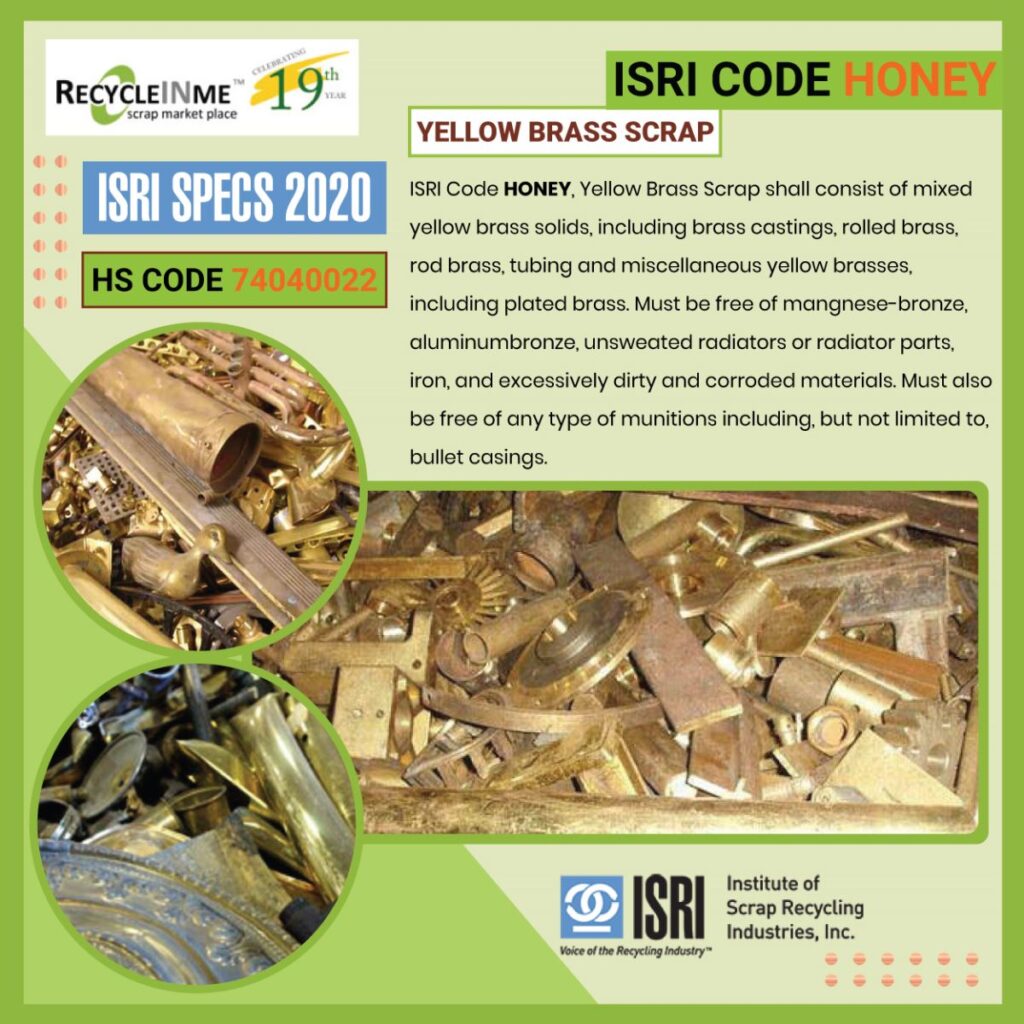
Brass scrap generally falls under HSN Code 7404, which is used for “Copper waste and scrap”, including alloys like brass and bronze.
GST Rate on Brass Scrap
The GST rate on brass scrap is currently 18% under Indian GST law. This applies to both purchases and sales.
Common Use-Cases for Brass Scrap in Industries
Brass scrap is widely used in:
- Electrical fittings
- Decorative items
- Industrial machinery
- Recycled alloys production
Wooden Scrap HSN Code
Types of Wooden Scrap
Wooden scrap includes:
- Used wooden pallets
- Broken furniture
- Construction wood waste
HSN Code for Wooden Waste
Wooden scrap typically falls under HSN Code 4421, which includes other articles of wood.
GST Rate on Wooden Scrap
The GST rate on wooden scrap is 5%, making it relatively lower than metallic scrap materials.
7204 HSN Code Explained
Overview of HSN Code 7204
HSN Code 7204 refers to Ferrous waste and scrap, particularly iron and steel. This is a key code used in the metal recycling and steel manufacturing industries.
Products Covered Under 7204
This includes:
- Iron shavings
- Steel turnings
- Used steel parts
- Defective iron components
Importance of 7204 in Metal Scrap Trade
This code is vital for accurate tax filing, imports/exports, and invoicing for metal scrap transactions. Any mistake here could lead to compliance issues.
Scrap Dealers and Their Role
Who Are Scrap Dealers?
Scrap dealers act as intermediaries between waste generators and recycling plants. They buy and sell scrap materials and often sort and process them before resale.
How Scrap Dealers Operate
They usually:
- Collect scrap from homes, factories, or offices
- Sort it into categories (metal, paper, wood, etc.)
- Sell it to recyclers or manufacturers
Compliance Requirements for Scrap Dealers
Dealers must:
- Be GST registered if turnover exceeds ₹40 lakhs (₹20 lakhs for special category states)
- Maintain records of sales and purchases
- Issue proper GST invoices with HSN codes
TCS on Sale of Goods
What is TCS (Tax Collected at Source)?
TCS is a tax collected by sellers from buyers during the sale of certain goods, as per the Income Tax Act.
TCS Applicability on Scrap Sales
If the annual turnover of the seller exceeds ₹10 crores, and they sell goods exceeding ₹50 lakhs to a single buyer, TCS @ 0.1% must be collected on the sale amount exceeding ₹50 lakhs.
How Dealers Can Handle TCS Easily
- Use accounting software with TCS calculation
- Mention TCS in invoices
- File TCS returns quarterly (Form 27EQ)
Registration and Compliance
GST Registration for Scrap Businesses
If you’re dealing in scrap and your turnover crosses the threshold, GST registration is mandatory. It enables you to:
- Claim input tax credit
- Issue legal invoices
- Comply with tax norms
Documentation Required for Sale/Purchase of Scrap
- GST Invoice with HSN Code
- Purchase bills from suppliers
- TCS/TDS documentation if applicable
- E-way bills (for inter-state transport above threshold)
Challenges Faced by Scrap Dealers
Price Fluctuations
Scrap prices are volatile and dependent on international commodity rates. Dealers need to be financially agile to survive the market changes.
Regulatory Complications
Complexity in TCS, GST, and local regulations can burden small dealers. Hiring a good accountant or consultant helps.
Maintaining Transparent Transactions
Dealing in cash or unregistered scrap makes businesses prone to audits. Transparency is key to long-term survival.
Benefits of Proper HSN Classification
Avoiding Legal Troubles
Wrong HSN code use can lead to penalties or denial of ITC (Input Tax Credit).
Smooth Tax Filing
Correct HSN usage simplifies return filing, reconciliation, and assessments.
Better Supply Chain Management
Clear classification helps businesses track materials, costs, and vendors efficiently.
Future of Scrap Industry in India
Government Initiatives
Schemes like Swachh Bharat and Extended Producer Responsibility (EPR) promote recycling, indirectly benefiting the scrap sector.
Growth of Recycling and Green Business
With increasing environmental awareness, more startups are entering the scrap and recycling sector using tech and automation.
Tips for New Scrap Dealers
How to Get Started
- Get your business registered
- Understand HSN codes and GST rules
- Network with industries and recyclers
Common Mistakes to Avoid
- Ignoring compliance
- Using wrong HSN codes
- Mixing different types of scrap without segregation
Conclusion
Whether you’re just starting out or already in the scrap trade, understanding HSN codes like 7404 (brass), 4421 (wood), and 7204 (metal) is critical for compliance and growth. Add to that the importance of TCS regulations and the role of honest, well-informed scrap dealers, and you’ve got the blueprint for success in this industry. In short—know your code, follow the law, and build smart!
FAQs
Q1. What is the HSN code for brass scrap in India?
Brass scrap typically falls under HSN code 7404, used for copper and its alloy scrap.
Q2. Is TCS applicable on the sale of wooden scrap?
TCS applies only if the turnover and sale amount thresholds under Section 206C(1H) are met, regardless of the type of scrap.
Q3. What does HSN Code 7204 include?
HSN 7204 covers ferrous waste and scrap like iron and steel shavings, turnings, and used metal parts.
Q4. Do all scrap dealers need to register for GST?
Yes, if their annual turnover exceeds the prescribed limit (₹40 lakhs or ₹20 lakhs depending on the state), they must register.
Q5. What are the GST rates on brass, wooden, and iron scrap?
- Brass Scrap: 18%
- Wooden Scrap: 5%
- Iron/Steel Scrap (HSN 7204): 18%

Leave a Reply