
Shocking Waste Disposal Mistakes You’re Making & How to Fix Them Today
We’ve all been there. You stand in your garage, looking at a pile of renovation debris, an old TV, and a collection of mystery chemicals. Your first move? You pull out your phone and type those five all-too-familiar words: “waste disposal near me.“
It’s a search for convenience, for a quick fix to make the mess disappear. But what if that simple search is where the most common—and most damaging—environmental mistakes are made? The truth is, what happens after you click “search” matters more than you think. Tossing everything into a single bin might be easy, but it’s a shortcut that’s actively harming our planet, contaminating our water, and undoing the efforts of professional systems designed for sustainability.
This isn’t just about trash. It’s about public health, conserving precious resources, and safeguarding our future. This guide will uncover the common disposal mistakes you might be making, explore the right way to handle everything from everyday trash to complex biomedical waste, and reveal the incredible journey your waste takes after it’s picked up. It’s time to turn that quick search into a powerful act of environmental stewardship.
Chapter 1: The Sorting Sin — Why Mixing Your Waste is a Catastrophe
The biggest mistake starts at the curb. We treat our trash cans like a catch-all, but this “wish-cycling” and improper sorting creates a ripple effect of contamination that ruins entire loads of recyclables and creates environmental hazards.
Mistake #1: Treating Every Stream the Same
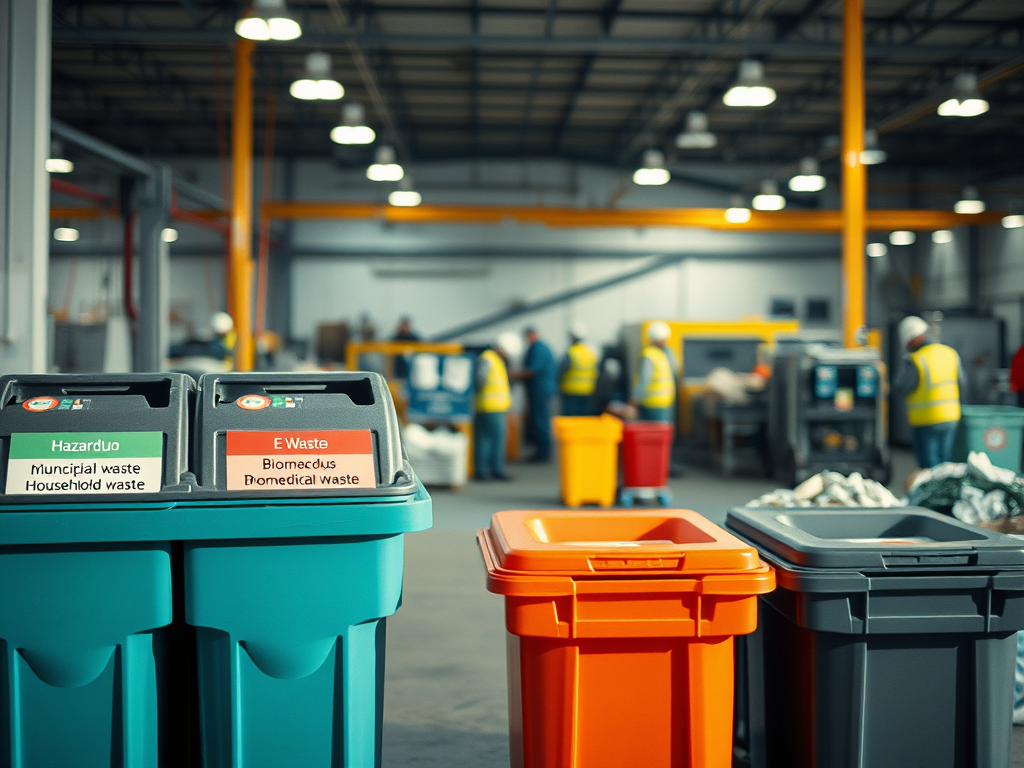
Not all waste is created equal. Throwing a battery in with paper is like putting a lit match in a library. The first step to redemption is knowledge.
- Municipal Solid Waste (MSW): The Everyday Stuff. This is your regular household trash: food scraps, non-recyclable packaging, and general refuse. The mistake here isn’t the waste itself, but contaminating it with items that never should have been there in the first place.
- Hazardous Household Waste (HHW): The Dangerous Culprits. This is where well-intentioned people make planet-destroying mistakes. HHW includes:
- Old paints, stains, and solvents (flammable, toxic)
- Automotive fluids like motor oil, antifreeze, and brake fluid (poisonous to wildlife)
- Pesticides and herbicides (designed to kill, and they don’t discriminate in a landfill)
- Batteries (especially lithium-ion) which can cause devastating fires in garbage trucks and landfills
- Fluorescent light bulbs which contain mercury
- Construction & Demolition (C&D) Debris: The Hidden Volume. Tossing concrete, drywall, asphalt, and treated wood into a general dumpster is a massive missed opportunity. These materials make up a huge portion of landfill volume but are highly recyclable. specialized facilities can crush concrete for new road base or grind wood into mulch, diverting tons of waste.
Chapter 2: The Specialist Stuff — How Improper Disposal Puts Us All at Risk
Some materials are so complex or dangerous that handling them incorrectly isn’t just a mistake—it’s a public health crisis.
Mistake #2: Trashing Your Tech (E-Waste)
That old phone or laptop is a mini-toxic mine. E-waste management is a specialized field for a reason.
- The Problem: Electronics contain valuable gold, silver, and copper, but also hazardous lead, mercury, and cadmium. When dumped in a landfill, these heavy metals leach into the ground and water.
- The “Shocking” Alternative: Many discarded electronics are shipped illegally to developing countries, where they are burned in open-air pits to recover metals, releasing catastrophic levels of toxic fumes into communities and the atmosphere.
- The Fix: True e-waste management means using certified recyclers who dismantle devices safely, recover precious materials for reuse, and ensure toxins are contained and data is securely destroyed. Your old phone could become part of a new one, indefinitely.
Mistake #3: The Bio-Hazard Blunder (Biomedical Waste)
This isn’t just a clinic’s problem. Diabetics at home using needles, families with sick loved ones—improper disposal of biomedical waste is a silent threat.
- The Problem: Syringes, needles, and soiled bandages can carry bloodborne pathogens like HIV, Hepatitis B, and C. Tossing them loosely in the trash puts sanitation workers, housekeepers, and even children at risk of accidental needle-stick injuries and potential infection.
- The “Shocking” Reality: A needle can pierce a garbage bag and injure a worker before the truck even compacts its load. The cost of a single injury, in terms of medical testing, anxiety, and potential disease, is immense.
- The Fix: Always use a FDA-approved, puncture-proof sharps container. Many pharmacies, hospitals, and municipalities have free take-back programs. This simple act is a powerful shield for public health.
Chapter 3: The Invisible Life of Your Trash — What Really Happens After “Pickup”
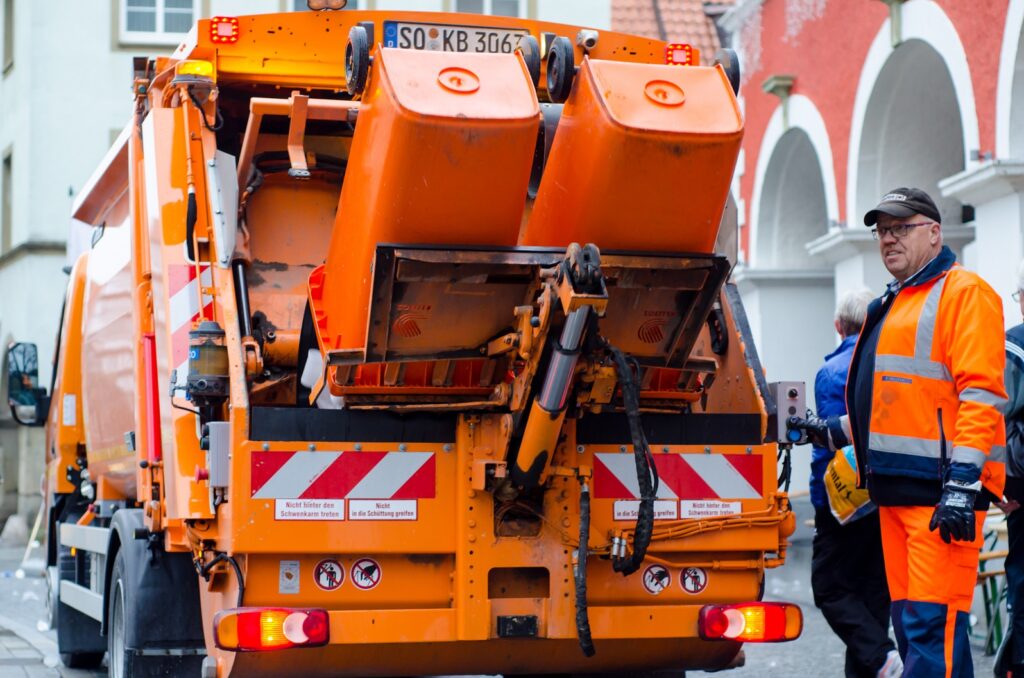
When you see the garbage truck pull away, your waste’s journey is just beginning. Understanding this process shows why your initial sorting is so critical.
- Recycling’s Second Chance (The MRF): Your mixed recyclables go to a Material Recovery Facility (MRF—pronounced “murf”). Here, a symphony of technology—magnets, air jets, optical scanners, and human hands—sorts materials into pure streams. But one mistake, like a greasy pizza box or a tangled garden hose, can jam machinery and contaminate bales of material, sending tons of otherwise recyclable paper or plastic to the landfill.
- The Modern Landfill: A Engineered Tomb (Not a Dump): Companies like WM Waste Management operate highly engineered facilities. They are lined with clay and thick plastic to contain “leachate” (toxic sludge liquid from decomposing trash). Pipes capture methane gas. The shocking part? That methane, a potent greenhouse gas, can now be purified and used as Renewable Natural Gas (RNG) to power trash trucks themselves. Your banana peel can literally help fuel the vehicle that picks up your trash.
- The Circle of Water: Waste Water Treatment Plants: Every time you flush, shower, or drain, you’re contributing to a system that is the backbone of modern public health. Waste water treatment plants are miracles of engineering.
- They first remove solids (which can be a problem if people flush wipes and plastics—another common mistake!).
- Billions of microorganisms are introduced to literally “eat” the organic waste in the water.
- The water is filtered and disinfected with UV light until it’s clean enough to be returned to rivers and lakes.
The solid byproduct, “biosolids,” is treated and often used as a rich, nutrient-dense agricultural fertilizer. This is the ultimate circular economy in action.
Chapter 4: Your Redemption Plan — From Mistake-Maker to Eco-Hero
It’s not too late to change your habits. Here is your actionable blueprint to become a waste disposal pro.
- Audit Your Trash: Spend one week looking at what you throw away. Identify the HHW, the recyclables, and the true trash. Awareness is the first step.
- Know Before You Throw: A quick online search for “[Your City] recycling guidelines” is the most important 5 minutes you’ll spend. Print it out and put it on the fridge.
- Search Smarter: Upgrade your search from “waste disposal near me“ to:
- “Household hazardous waste drop-off [Your City]”
- “Certified e-waste recycling [Your City]”
- “Pharmacy sharps disposal near me”
- “Construction debris recycling center”
- Embrace the 3 R’s: Reduce, Reuse, THEN Recycle: The best waste is the waste you never create. Choose products with less packaging, buy in bulk, and opt for reusables. Donate items instead of trashing them.
- When in Doubt, Call a Pro: For large projects or if you’re unsure, hiring a professional service like WM Waste Management is the responsible choice. Their expertise and infrastructure ensure your waste is handled in the most efficient, safe, and environmentally sound way possible, from your curb to its final, transformed destination.
Conclusion: The Power of a Single Choice
That search for “waste disposal near me“ is so much more than a quest for convenience. It is a moment of decision. Every item you dispose of is a vote for the kind of world you want to live in.
A vote for contamination, or a vote for sustainability.
A vote for pollution, or a vote for a circular economy.
A vote for risk, or a vote for public health.
The shocking mistakes are common, but they are not inevitable. By understanding the categories of waste, respecting the intricate systems that process it, and making conscious, informed choices, you have the power to transform an everyday chore into an extraordinary act of environmental leadership. The planet doesn’t need a handful of people doing zero waste perfectly. It needs millions of us doing it better. Start today.

Leave a Reply