
Outline: Types of Copper Scrap
H1: Types of Copper Scrap: Complete Guide to Grades, Uses & Value
H2: Introduction to Copper Scrap
- H3: Why Copper is Valuable for Recycling
- H3: The Role of Copper Scrap in the Global Economy
H2: Understanding Copper Scrap Classification
- H3: How Copper Scrap is Graded
- H3: Importance of Proper Grading in Scrap Trading
H2: Bare Bright Copper Scrap (Grade A)
- H3: Features of Bare Bright Copper
- H3: Common Sources and Applications
- H3: Current Market Value of Bare Bright
H2: #1 Copper Scrap
- H3: What Qualifies as #1 Copper
- H3: Differences Between Bare Bright and #1 Copper
- H3: Where to Find #1 Copper
H2: #2 Copper Scrap
- H3: Characteristics of #2 Copper
- H3: Typical Sources of #2 Copper
- H3: Value Comparison with Higher Grades
H2: Insulated Copper Wire (ICW)
- H3: Types of Insulated Copper Wire
- H3: Copper Recovery Rates from ICW
- H3: How to Strip Insulated Wire for Higher Value
H2: Copper Radiators and Copper-Aluminum Coils
- H3: How Radiators Fit Into the Scrap Market
- H3: Separating Copper from Other Metals
H2: Tin-Coated Copper and Tinned Bus Bar
- H3: What is Tinned Copper?
- H3: Scrap Value and Market Demand
H2: Copper Turnings and Borings
- H3: Industrial Scrap: What Are Turnings?
- H3: Challenges in Recycling Copper Turnings
H2: Mixed Copper Scrap
- H3: What Makes It “Mixed”?
- H3: Best Practices for Sorting and Selling
H2: Identifying and Sorting Copper Scrap
- H3: Tools and Techniques for Identification
- H3: Common Mistakes and How to Avoid Them
H2: Current Market Trends in Copper Scrap Prices
- H3: Factors Affecting Scrap Copper Prices
- H3: Where to Track Daily Prices
H2: Environmental and Economic Benefits of Recycling Copper
- H3: How Recycling Reduces Mining Impact
- H3: Economic Benefits for Businesses and Individuals
H2: Tips for Getting the Best Price for Copper Scrap
- H3: Cleanliness, Sorting, and Presentation
- H3: Building Relationships with Local Yards
H2: Conclusion
H2: FAQs
- H3: What is the most valuable type of copper scrap?
- H3: Can I sell copper scrap without a license?
- H3: How do I know if my copper is #1 or #2?
- H3: Is it legal to remove copper from abandoned buildings?
- H3: Where can I find insulated copper wire scrap?
Step 1: Headings 1–5 (1,200+ words)
Types of Copper Scrap: Complete Guide to Grades, Uses & Value
Copper is one of the most sought-after metals in the recycling industry, thanks to its high conductivity, versatility, and consistent demand across sectors. Whether you’re a scrapper, recycler, or business looking to maximize value from metal waste, understanding the types of copper scrap is crucial. Each type comes with its own grade, market price, and usage—so knowing the difference can mean the difference between a few dollars and a serious payday.
Let’s dive deep into the world of copper scrap—identifying, grading, and selling it effectively.
Introduction to Copper Scrap
Why Copper is Valuable for Recycling
Copper has been used by humans for over 10,000 years. It’s highly conductive, corrosion-resistant, and easy to recycle without degrading its performance. That’s why it’s heavily used in electrical wiring, plumbing, industrial machinery, and even art. But here’s the kicker—nearly 80% of all copper ever mined is still in use today, thanks to its recyclability.
From a financial perspective, recycled copper retains up to 95% of the value of newly mined copper. That makes it extremely profitable to recycle, especially compared to other metals. Scrap copper commands high prices, and its value fluctuates with global demand, economic conditions, and industrial activity.
The Role of Copper Scrap in the Global Economy
Copper scrap is a multi-billion-dollar global industry, with countries like China, India, and the U.S. being major players in both importing and exporting copper scrap. It reduces the reliance on mining, which is energy-intensive and harmful to the environment.
Recycling copper:
- Reduces CO2 emissions by over 65% compared to mining
- Saves up to 85% of energy used in producing virgin copper
- Plays a key role in the circular economy
The trade of copper scrap also supports thousands of jobs worldwide—from collectors and yard operators to refiners and exporters.
Understanding Copper Scrap Classification
How Copper Scrap is Graded
Copper scrap isn’t just copper. It’s categorized into different grades based on purity, condition, and form. These grades impact how easily the material can be melted down and reused. The most recognized grading system includes:
- Bare Bright Copper (Grade A) – Highest quality, pure copper wire
- #1 Copper – Clean, unalloyed copper with minimal oxidation
- #2 Copper – Dirtier, oxidized copper with contaminants
- Insulated Copper Wire (ICW) – Copper with plastic insulation
- Mixed Copper – Contains various forms and purities
- Copper Turnings/Borings – Shavings from machining processes
Each grade has specific requirements and yields different returns. Knowing how to separate your scrap properly ensures you won’t get paid the lowest rate for high-quality copper.
Importance of Proper Grading in Scrap Trading
Improper grading can lead to underpayment or rejection of scrap loads. For instance, mixing #1 and #2 copper together means the entire load might be bought at #2 pricing—even if a portion was pure. That’s a significant loss in profit.
Scrap yards rely on visual inspections and sometimes chemical analysis to grade copper. But with some knowledge and effort, you can pre-sort and present your copper properly, ensuring:
- Faster transactions
- Better prices
- Long-term trust with buyers
Knowing your copper scrap grades isn’t just about profit—it’s about building credibility in a competitive industry.
Bare Bright Copper Scrap (Grade A)
Features of Bare Bright Copper
Bare Bright is the holy grail of copper scrap. It’s the highest-paying and most desirable grade. This copper is:
- 99.9% pure or higher
- Shiny and uncoated
- Free from insulation, paint, or corrosion
- Often found as solid copper wires or bus bars
It’s typically wire that’s been stripped of all insulation and hasn’t been burned, oxidized, or tarnished.
Common Sources and Applications
Bare Bright copper often comes from:
- Electrical wiring (especially commercial wiring)
- Bus bars in electrical panels
- Industrial machinery tear-downs
- Renovation or demolition of large buildings
If you’ve ever stripped heavy-gauge copper wire and seen that reddish-orange shine, you’ve likely touched Bare Bright.
It’s commonly used in:
- Electrical conductors
- Grounding systems
- High-purity copper applications
Current Market Value of Bare Bright
As of now, Bare Bright copper fetches the highest market price, often exceeding $4.00 per pound in favorable conditions. But prices fluctuate daily depending on:
- Global copper futures
- Demand from refineries
- Local supply and competition
You’ll always get top dollar if your Bare Bright is clean, untarnished, and properly sorted. Never burn insulation off wire—that blackens the copper and downgrades it to #2 copper, slashing its value.
#1 Copper Scrap
What Qualifies as #1 Copper
#1 Copper is right below Bare Bright in the hierarchy. To qualify as #1 copper, the scrap must be:
- Clean and unalloyed
- No insulation, solder, or coatings
- Free from corrosion, paint, or other contaminants
- Typically solid pieces like pipes or thick wires
Think of it as “almost perfect” copper—not as shiny as Bare Bright, but still high-quality.
Differences Between Bare Bright and #1 Copper
The key differences:
- Form: Bare Bright is always wire; #1 can be pipe or tubing.
- Shine: Bare Bright is newer, shiny wire; #1 may be slightly dull.
- Use: #1 includes thicker copper pieces from plumbing or machining.
Both fetch great prices, but Bare Bright usually wins by 10–15 cents per pound.
Where to Find #1 Copper
You can source #1 copper from:
- Plumbing systems
- HVAC systems (after cleaning off any solder)
- Bus bars or thick electrical cable (not bright enough for Bare Bright)
- Construction and demolition debris
Always clean your copper. A few minutes with a wire brush can mean the difference between #2 pricing and a sweet #1 rate.
#2 Copper Scrap
Characteristics of #2 Copper
#2 Copper is considered lower grade than both Bare Bright and #1 copper, but it’s still quite valuable. This type of copper includes:
- Copper with visible oxidation
- Pieces that have been painted, soldered, or coated
- Thin gauge wire not clean enough for higher grades
- Pipes with solder joints, or tarnished wiring
Basically, if it doesn’t meet the purity and cleanliness requirements of #1, it falls into #2. Think of it as the copper equivalent of “slightly damaged goods”—it still works, but it needs refining before reuse.
The visual clue? If the copper is dull, darkened, or has residue, chances are it’s #2.
Typical Sources of #2 Copper
#2 copper can be salvaged from a wide variety of sources, especially older and used materials. You’ll commonly find it in:
- Old plumbing systems, especially soldered copper pipes
- Used wiring, particularly if it’s thin or burnt
- Roofing materials
- Electrical motors and appliances
- Burnt copper from people trying to remove insulation by fire
The biggest mistake scrappers make is burning copper wires to remove insulation. This not only decreases its value but is also illegal in many areas due to environmental hazards. Burnt copper often lands in the #2 category—even if it started as Bare Bright.
Value Comparison with Higher Grades
#2 copper fetches less per pound, often $0.20–$0.50 below #1 copper. While it’s not top-tier, it still brings a good return—especially when collected in volume.
However, if you’re savvy, you can upgrade some #2 to #1 or even Bare Bright by:
- Cleaning off paint or solder
- Stripping off any insulation (safely)
- Sorting carefully before taking it to a scrap yard
The effort you put in here directly affects your payday.
Insulated Copper Wire (ICW)
Types of Insulated Copper Wire
Insulated Copper Wire (ICW) is one of the most commonly encountered forms of copper scrap, especially in homes, businesses, and construction sites. This type of scrap includes copper wiring that is wrapped in plastic, rubber, or fiber insulation.
Different types include:
- Romex wire (used in home wiring)
- THHN wire (used in electrical conduits)
- Coaxial and communication cables
- Extension cords
- Heavy-duty industrial cable
ICW is graded by the percentage of copper recovery. For example:
- High-grade ICW has 70–80% copper content
- Mid-grade ICW offers 40–60%
- Low-grade ICW might drop below 30%, especially in multi-conductor cables
Copper Recovery Rates from ICW
The value of ICW depends heavily on how much copper you can actually recover. Scrap yards typically base prices on weight and copper content.
Here’s a rough breakdown:
| Wire Type | Copper Recovery % | Typical Use |
|---|---|---|
| THHN Wire | 75–80% | Commercial wiring |
| Romex | 62–68% | Residential wiring |
| CAT5/CAT6 Ethernet | 30–35% | Networking |
| Communication Wire | 20–25% | Phones, TV, Audio systems |
Yards might pay more if you strip the insulation yourself—but only do so if the copper content justifies the time and effort.
How to Strip Insulated Wire for Higher Value
Stripping wire can increase your returns, but only if done right. Use tools like:
- A manual wire stripper
- An electric stripping machine (for large volumes)
- Utility knife (for careful hand work)
Avoid burning wires to strip them. Not only is it dangerous and toxic, but it also discolors the copper—automatically downgrading it to #2.
If the copper inside is shiny and thick, stripped ICW can be upgraded to Bare Bright or #1 copper, significantly boosting its per-pound value.
Copper Radiators and Copper-Aluminum Coils
How Radiators Fit Into the Scrap Market
Copper radiators are often overlooked in the scrap world, but they’re a hidden gem—especially from HVAC systems, old vehicles, and large appliances. They consist of:
- Copper tubing
- Aluminum fins
- Sometimes brass tanks or fittings
In the scrap industry, these are usually categorized as copper/aluminum radiators or copper brass radiators, depending on their composition.
Recyclers separate these units for metal recovery, and while they’re not pure copper, they contain valuable amounts—especially when clean and sorted properly.
Separating Copper from Other Metals
To get the maximum payout, it’s important to separate components:
- Remove aluminum fins from copper tubes
- Unscrew or cut off brass or steel fittings
- Use a saw or tin snips to isolate pure copper parts
A radiator with clean copper tubing and no contamination can bring in a significantly higher price than a mixed unit.
Here’s a quick tip: Before scrapping, shake or tap the radiator. If it’s rattling, there may be trapped fluid or debris—clean it out to avoid deductions at the yard.
Scrap yards typically pay based on copper content, so more separation = more profit.
Tin-Coated Copper and Tinned Bus Bar
What is Tinned Copper?
Tinned copper is copper wire or bus bar that’s been coated with a thin layer of tin. This helps:
- Prevent corrosion in high-moisture environments
- Extend wire lifespan in marine or underground settings
- Improve solderability for electronics
Though it’s mostly copper underneath, the outer tin coating can affect recycling value—mainly because it adds an extra step in processing.
Scrap Value and Market Demand
While tinned copper doesn’t command as much as Bare Bright or #1 copper, it’s still valuable. Some yards may:
- Grade it as #1 copper, if clean and thick enough
- Grade it lower if the tin coating is excessive
- Ask for a deduction based on how much tin is present
The trick here? Strip or clean off any heavy buildup where possible. In many cases, though, it’s not worth the labor for small quantities.
Commercial sources like:
- Electrical panels
- Solar and power systems
- Heavy industrial facilities
…often yield tinned copper bus bars, which are thick, solid, and worth sorting separately.
Copper Turnings and Borings
Industrial Scrap: What Are Turnings?
Copper turnings are small shavings or spirals of copper left over from machining, drilling, or cutting copper parts. While they may not look like much, in bulk, they add up in weight and value.
Turnings are mostly found in:
- Machine shops
- Metal fabrication facilities
- Plumbing supply manufacturing
However, unlike solid copper pieces, turnings are considered “dirty” scrap, mainly due to:
- Oils, lubricants, or coolants
- Mixed metals
- Risk of oxidation due to high surface area
Challenges in Recycling Copper Turnings
The problem with turnings is contamination. If your batch contains:
- Steel or aluminum shavings
- Moisture or cutting fluids
- Rust or oxidation
…it’ll be downgraded heavily or even rejected.
To increase value:
- Separate metals before storage
- Dry the material
- Avoid mixing brass or bronze turnings
Copper turnings are typically bought by the pound but at a significantly lower rate than solid copper. Still, for businesses generating a lot of turnings, it’s worth collecting and selling separately.
Mixed Copper Scrap
What Makes It “Mixed”?
Mixed copper scrap is exactly what it sounds like: a blend of different copper types and grades that haven’t been separated. It can include:
- Bare Bright
- #1 and #2 copper
- Tinned copper
- Burnt wire
- Bits of insulated copper
- Soldered or painted pipes
Because this mix is unsorted and inconsistent, scrap yards typically grade the entire load based on the lowest quality material in the batch—often resulting in #2 copper pricing or lower. In some cases, if there’s too much contamination, it may even be priced as low-grade scrap or not accepted at all.
Mixed copper scrap is considered the least profitable way to sell copper, yet it’s one of the most commonly found types due to lack of sorting at the source.
Best Practices for Sorting and Selling
If you want to maximize your copper earnings, never sell your haul as mixed unless you absolutely must. Here’s how to avoid the mixed bin:
- Sort by grade as you collect:
- Use different containers or bags for Bare Bright, #1, #2, and ICW.
- Clean each piece when possible:
- Remove insulation, fittings, or solder.
- Avoid moisture and contaminants:
- Store indoors to prevent corrosion or oxidation.
- Label your containers to make drop-off easier.
Some scrap yards offer higher rates for sorted copper and may even help you identify what goes where. Mixed copper is essentially “lazy scrap”—but with a little effort, you can turn it into a more profitable payday.
Remember: If you bring 10 pounds of Bare Bright mixed with 30 pounds of #2, don’t expect to be paid for 40 pounds of Bare Bright. You’ll likely get paid for 40 pounds of #2—or less.
Identifying and Sorting Copper Scrap
Tools and Techniques for Identification
Identifying copper scrap might seem overwhelming at first, but once you get the hang of it, it becomes second nature. Here are tools and tricks to accurately sort your copper:
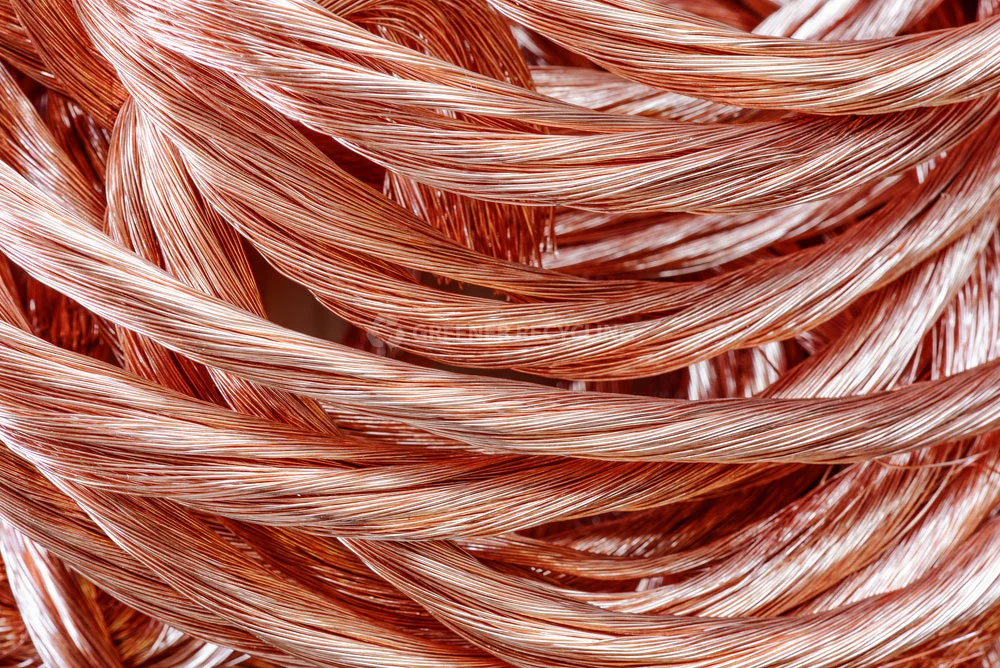
- Visual Check: Bright reddish-orange metal with no coating? Likely Bare Bright. Dull and oxidized? Probably #2.
- Magnet Test: Copper is non-magnetic, so if a magnet sticks to it, it’s not copper (or it’s contaminated).
- Scratch Test: Use a utility knife. Clean copper will scratch to reveal bright reddish tones.
- Weight Test: Copper is heavy. Use scales for sorting and pricing.
- Strip a Sample Wire: To determine ICW grade, strip a short section and check the copper content.
Always carry:
- A magnet
- Utility knife
- Scale
- Wire stripper
These tools pay for themselves quickly by helping you identify high-grade copper and avoid downgrades.
Common Mistakes and How to Avoid Them
Even experienced scrappers make costly mistakes. Here are the most common, and how to avoid them:
- Burning wire insulation – This might seem like a shortcut, but it ruins copper appearance and downgrades it to #2.
- Failing to separate grades – Always sort! Mixed scrap equals lost profits.
- Selling dirty or wet copper – Clean, dry copper gets better rates. Moisture = weight loss = lower price.
- Not knowing local yard standards – Different yards follow slightly different grading rules. Build relationships and ask for their specific guidelines.
When you learn to spot Bare Bright in a pile of mixed junk, you’re well on your way to scrap gold.
Current Market Trends in Copper Scrap Prices
Factors Affecting Scrap Copper Prices
Copper scrap pricing is not static—it moves daily based on several dynamic factors, including:
- Global demand – Especially from countries like China and India
- Stock market futures – Copper is traded on the LME (London Metal Exchange)
- Oil and energy prices – Affect mining and refining costs
- Construction and tech industries – More activity means higher demand
- Supply chain disruptions – Natural disasters, political conflict, or shipping delays can cause price surges
As of recent trends, copper scrap prices have been volatile but generally high, with sustainability initiatives and the push for electric vehicles increasing demand.
Scrap prices are typically quoted per pound, and the best time to sell is usually during a price upswing when demand outpaces supply.
Where to Track Daily Prices
Stay on top of the market by checking these resources:
- iScrap App – Real-time scrap prices by region
- ScrapMonster.com – Market prices and yard listings
- Kitco Metals – Global copper pricing trends
- Local scrap yards’ websites or phone hotlines
You can also sign up for email alerts or follow commodity news portals to make smarter selling decisions.
Timing your sale—even by a few days—can sometimes mean the difference of hundreds of dollars on larger loads.
Environmental and Economic Benefits of Recycling Copper
How Recycling Reduces Mining Impact
Mining copper is resource-intensive, requiring:
- Massive water consumption
- Destruction of natural landscapes
- High energy usage
- Pollution and carbon emissions
In contrast, recycling copper:
- Saves up to 85% of energy
- Produces 65% fewer greenhouse gases
- Reduces landfill waste
- Minimizes destruction of ecosystems
Every pound of copper recycled is a step toward sustainable industry and cleaner planet.
Moreover, since copper doesn’t lose quality during recycling, it’s a closed-loop system. That means your old wires, pipes, and electronics can be turned into new products without additional mining.
Economic Benefits for Businesses and Individuals
The copper recycling industry isn’t just good for the planet—it’s a goldmine for entrepreneurs. Here’s how:
- Scrappers earn hundreds or thousands monthly collecting and selling copper.
- Businesses reduce waste disposal costs and sometimes earn from recycling.
- Local economies benefit from jobs in collection, processing, and shipping.
In short, recycling copper is a win-win. It’s eco-friendly, financially rewarding, and critical for reducing global reliance on non-renewable resources.
Whether you’re a homeowner cleaning up a garage or a contractor tearing down a building, recycling copper pays—both literally and figuratively.
Tips for Getting the Best Price for Copper Scrap
Cleanliness, Sorting, and Presentation
Want top dollar for your copper? Here are essential tips:
- Clean your copper – Remove insulation, solder, and fittings
- Sort by grade – Never mix Bare Bright with #2 copper
- Keep it dry – Wet scrap weighs less and may be penalized
- Present it well – Organized, labeled scrap looks more valuable to buyers
Even something as small as using separate containers for different grades can significantly boost your payout.
Building Relationships with Local Yards
Your relationship with your scrap yard matters. Consider:
- Visiting the same yard consistently
- Asking about their grading criteria
- Negotiating better rates for bulk quantities
- Being honest about your load
Some yards reward regular sellers with:
- Faster service
- Volume bonuses
- Better pricing tiers
By treating your scrap business like a real business, you’ll earn more and get more respect in the industry.
Conclusion
The world of copper scrap is more than just hauling old wires and pipes to the local yard—it’s a complex, opportunity-filled ecosystem where knowledge equals profit. Whether you’re an occasional recycle or a full-time scrapper, understanding the types of copper scrap, how to identify and sort them, and where to sell for top dollar makes all the difference.
From the highly valuable Bare Bright copper wire to the often overlooked but still profitable copper turnings, each category holds different opportunities for earnings. Knowing how to differentiate between #1 and #2 copper, how to handle insulated copper wire, and why you should avoid mixing grades can help you maximize your return.
Let’s not forget the environmental benefits either. Recycling copper drastically reduces the need for new mining, which in turn minimizes ecological damage, carbon emissions, and energy use. It supports a sustainable economy where metal keeps circulating without losing its value.
So, whether you’re digging through an old toolbox, stripping wires from a renovation job, or collecting industrial waste from a fabrication site, remember this: Copper isn’t just trash—it’s cash. And with the right knowledge, you can turn every wire, pipe, and radiator into real money.
Happy scrapping—and may your next haul be shiny and bright!
FAQs
What is the most valuable type of copper scrap?
The most valuable copper scrap is Bare Bright Copper. It’s clean, shiny, uncoated wire that’s at least 99.9% pure copper. Scrap yards pay top dollar for Bare Bright—often the highest rate available for any non-ferrous metal.
Can I sell copper scrap without a license?
In most places, yes, you can sell copper scrap without a license as an individual. However, regulations vary by state or country, and some require ID, record-keeping, or even licenses for repeat sellers due to concerns about copper theft. Always check your local laws.
How do I know if my copper is #1 or #2?
#1 copper is clean, unalloyed, and free of any contaminants, while #2 copper is usually tarnished, painted, soldered, or oxidized. If it’s bright and clean but not shiny enough for Bare Bright, it’s likely #1. If it’s dull, dirty, or coated, it’s #2.
Is it legal to remove copper from abandoned buildings?
No. Removing copper from abandoned properties, construction sites, or old buildings without permission is considered theft and is a criminal offense. Always ensure you have legal rights or ownership before salvaging materials.
Where can I find insulated copper wire scrap?
You can find insulated copper wire (ICW) in:
- Household electrical wiring
- Power cords
- Old electronics and appliances
- Construction and renovation debris
- HVAC and telecommunications equipment
Stripping and sorting ICW can significantly improve its value at the yard.

Leave a Reply