
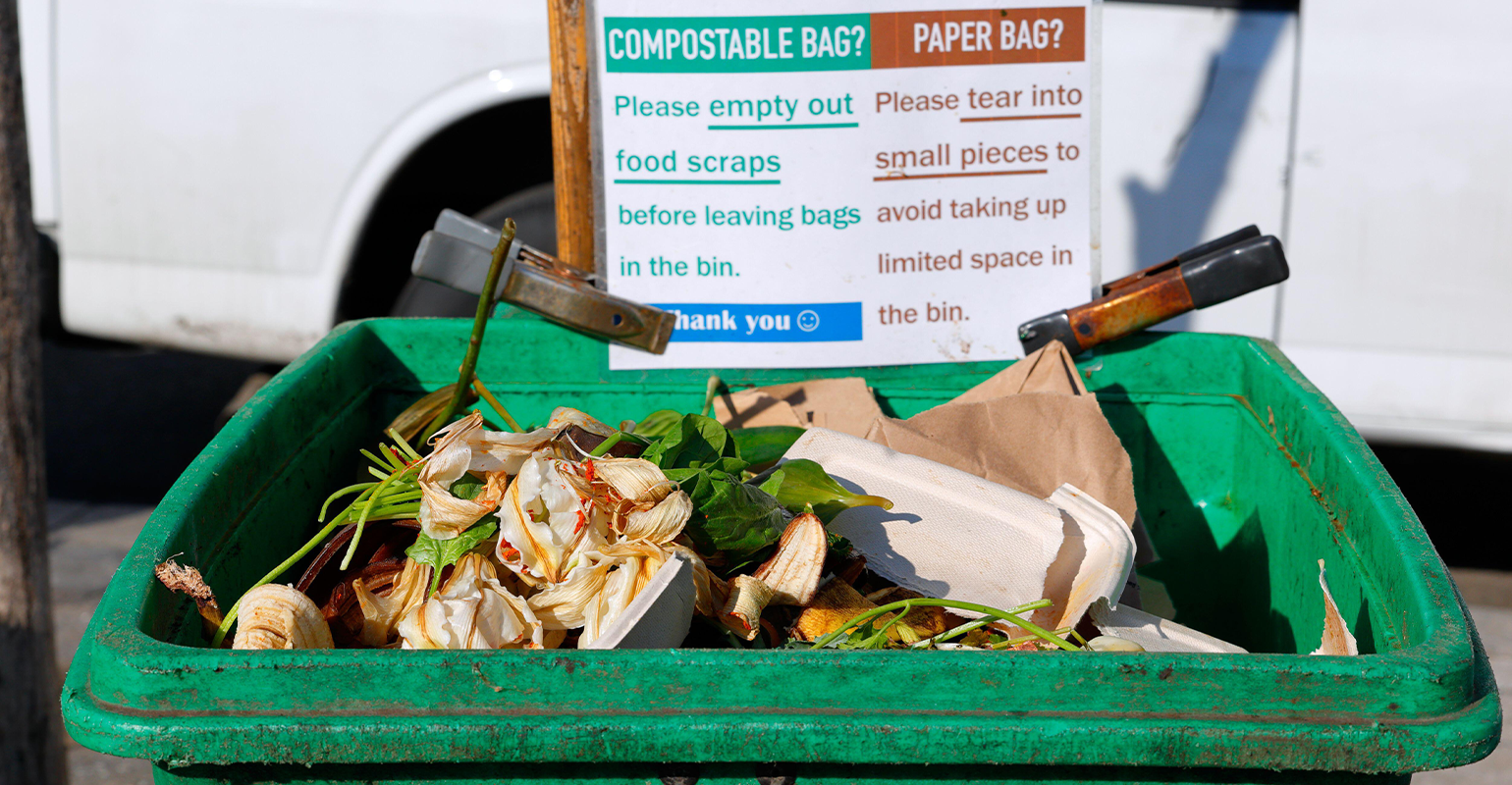
If you still picture food waste as simply stinky garbage bags destined for a landfill, it’s time to change your perspective. What was once a nagging environmental and logistical problem is rapidly transforming into one of the most dynamic and opportunity-rich markets in the United States. We are witnessing a fundamental paradigm shift: food scraps are no longer seen as a liability, but as a valuable asset.
The U.S. food waste management market isn’t just growing; it’s booming. Driven by a powerful convergence of regulatory pressures, technological innovation, and a profound shift in consumer consciousness, this sector is poised for explosive growth. For investors and business leaders, this isn’t just a story about waste—it’s a story about untapped value, circular economies, and building a more resilient future.
The Staggering Scale of the Problem: A Multi-Billion Dollar Opportunity in Disguise
To understand the opportunity, we must first grasp the scale of the problem. The statistics are both shocking and revealing:
- The U.S. wastes between 30-40% of its food supply, amounting to approximately 80 million tons annually.
- This waste carries an estimated price tag of over $285 billion—yes, billion—when accounting for the cost of the food itself, along with transportation, labor, and disposal fees.
- Food is the single largest category of material placed in municipal landfills, where it decomposes and generates methane, a greenhouse gas more than 25 times potent than carbon dioxide.
For decades, this was simply the cost of doing business. But today, that cost is being reframed as an unprecedented opportunity. That $285 billion problem represents a massive, inefficient leak in our economic system. Plugging that leak doesn’t just save money; it creates new revenue streams, fuels innovation, and builds a more sustainable brand.
The Three Engines Fueling the Boom
This market transformation isn’t happening in a vacuum. It’s being propelled by three powerful, interconnected forces.
1. The Regulatory Impetus: Closing the Landfill Tap
Governments at the state and municipal levels are moving beyond voluntary goals and enacting mandatory policies. California’s SB 1383 and Vermont’s Universal Recycling Law are leading the charge, legally requiring businesses and residents to separate organic waste from traditional trash.
These policies are creating a guaranteed supply of raw material (food scraps) for the recycling ecosystem. For waste management companies and entrepreneurs, this is a clear market signal: the infrastructure to collect, process, and repurpose organic waste is no longer a “nice-to-have”—it’s a essential utility of the future. This regulatory floor de-risks investment and accelerates market development.
2. The Corporate Imperative: Sustainability as a Balance Sheet Booster
Major corporations are no longer treating sustainability as a side project for their PR departments. It has become a core business strategy driven by consumer demand, investor pressure, and the pursuit of operational efficiency.
- Grocery Giants: Walmart, Kroger, and others have committed to ambitious zero-waste targets, driving innovation in their supply chains.
- Food Service & Hospitality: Restaurants, hotels, and stadiums are implementing programs to track and reduce waste, saving millions on disposal fees and food purchases.
- ESG Investing: The rise of Environmental, Social, and Governance (ESG) criteria means that companies with strong sustainability profiles have better access to capital and are seen as lower-risk investments.
For these businesses, effective food waste management is a triple win: it reduces costs, mitigates regulatory risk, and enhances brand reputation. This corporate demand is creating a vibrant B2B market for waste management solutions.
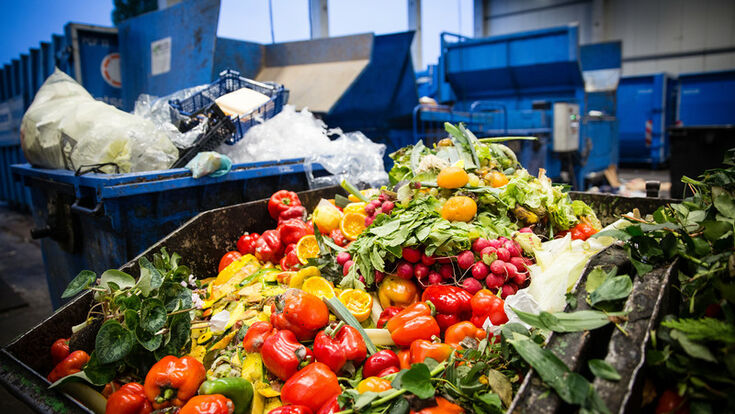
3. The Technological Revolution: The “Scraps to Assets” Alchemy
This is where the metaphor truly comes to life. A suite of innovative technologies is acting as the alchemist, turning low-value scraps into high-value assets.
- Anaerobic Digestion (AD): This technology is a star player. It captures methane from decomposing food waste in a controlled environment and converts it into renewable natural gas (RNG). RNG can be used to power trucks, generate electricity, or be fed into the national gas grid, creating a powerful and profitable energy asset from what was once a greenhouse gas liability.
- Advanced Composting & Soil Amendments: Beyond traditional compost, companies are creating specialized, high-margin soil health products for agriculture and landscaping, helping to rebuild degraded soils and sequester carbon.
- Insect Farming: Black soldier fly larvae are nature’s ultimate upcyclers. Companies are scaling this process, feeding food waste to insects which are then processed into high-protein animal feed and nutrient-rich fertilizer.
- AI-Powered Analytics: Smart bins with sensors and AI-driven software platforms are helping commercial kitchens and food processors track their waste in real-time. This data pinpoints inefficiencies, reduces over-purchasing, and optimizes donation streams, turning analytics into direct cost savings.
These technologies are the engines that make the “asset” part of the equation a tangible, bankable reality.
Key Investment Hotspots and Business Models
For investors and entrepreneurs looking at this space, the opportunities are diverse and maturing rapidly.
1. Infrastructure Development: There is a massive need for new Anaerobic Digestion facilities, advanced composting sites, and processing plants for insect protein. This is a capital-intensive but foundational area with long-term, utility-like returns.
2. Tech-Enabled Service Providers: Companies that offer smart bins, data analytics, and logistics for commercial food waste are thriving. They provide a sticky, subscription-based service that delivers immediate ROI for their clients through waste reduction and simplified compliance.
3. Upcycled Product Innovation: This is the consumer-facing frontier. Startups are creating brand-new products from food byproducts that would have otherwise been wasted. Think of snacks from spent brewery grain, flours from fruit pulp, or beverages from “ugly” produce. This model builds a powerful brand story directly on the “scraps to assets” premise.
4. Logistics & Supply Chain Optimization: The “middle mile” of collecting and transporting food waste efficiently is a critical and complex challenge. Companies that can build streamlined, cost-effective collection routes and networks are essential to the ecosystem’s growth.
The Road Ahead: Challenges and the Future Outlook
The path forward is not without its hurdles. Building out infrastructure requires significant capital and often faces local opposition (the “Not In My Backyard” syndrome). Contamination of food waste streams remains a challenge for processors. Furthermore, creating stable and efficient markets for the end-products—RNG, compost, insect feed—is an ongoing process.
However, the momentum is undeniable. The future of the U.S. food waste management market points towards:
- Hyper-Localization: More small-scale, decentralized AD and composting facilities serving specific regions or industrial parks.
- Policy Acceleration: More states will follow the lead of California and Vermont, creating a patchwork of regulations that will ultimately form a national standard.
- Corporate Integration: Food waste reduction will become fully integrated into corporate supply chain management software, making it a standard KPI alongside cost and speed.
Conclusion: It’s More Than Just Business—It’s a Necessary Evolution
The boom in the U.S. food waste management market is a powerful case study in how necessity truly is the mother of invention. We are collectively realizing that our linear “take-make-waste” model is economically and environmentally unsustainable.
The shift from scraps to assets represents a smarter, more circular, and more profitable way of operating. It’s a market that offers not just financial returns, but also tangible environmental and social dividends. For the astute investor, the innovative entrepreneur, and the forward-thinking corporate leader, the message is clear: the future is not in wasting less, but in valuing more. The scraps are piling up, but so are the opportunities. The time to invest in this transformation is now.

Leave a Reply