
In today’s digital age, electronic devices have become an essential part of our daily lives. From smartphones and laptops to refrigerators and televisions, we rely heavily on electronics. But have you ever thought about what happens to these gadgets once they’re no longer useful?
This is where electronic waste, or e-waste, comes into the picture.
What is Electronic Waste?
Electronic waste, commonly known as e-waste, refers to discarded electronic devices and components that are no longer in working condition or have become obsolete. Unlike ordinary trash, e-waste contains materials that can be hazardous if not properly managed. As technology continues to evolve at a rapid pace, the volume of e-waste is increasing globally, making it a serious environmental concern.
Examples of E-Waste
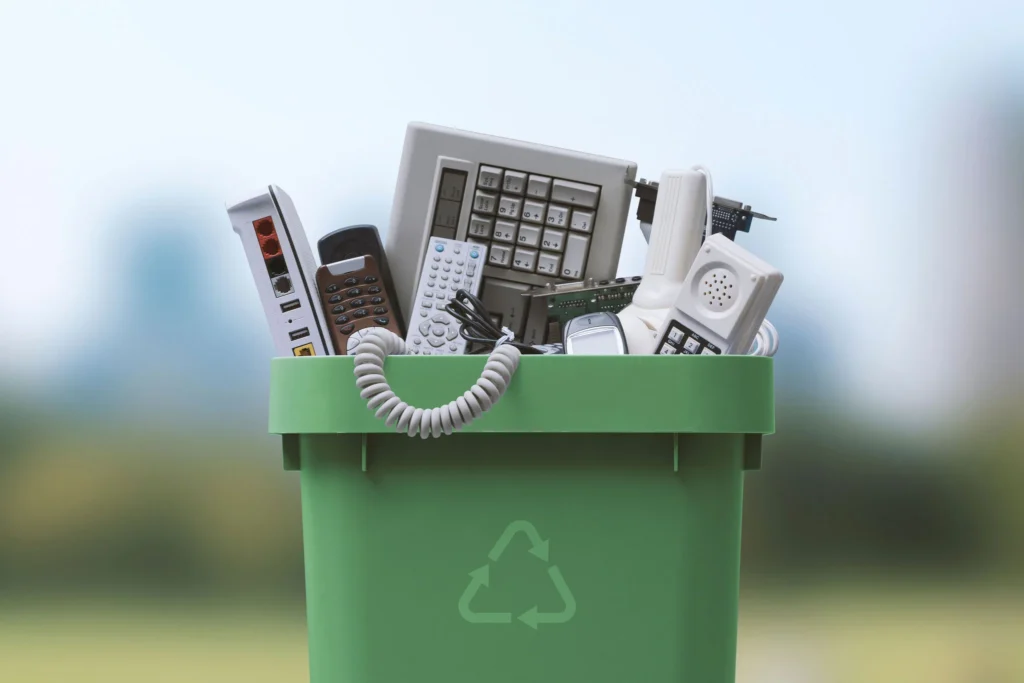
E-waste comes in various forms, including:
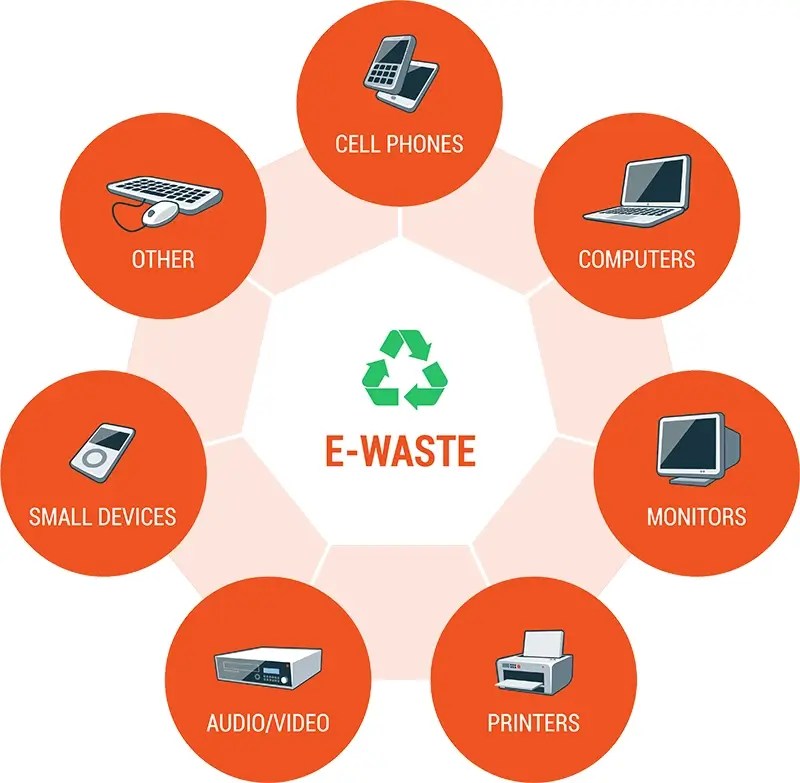
- Mobile phones and tablets
- Laptops and computers
- Televisions and monitors
- Printers and scanners
- Refrigerators, air conditioners, and microwaves
- Washing machines and other household appliances
- Batteries and circuit boards
Even small gadgets like earphones, chargers, and USB drives are considered e-waste once they stop functioning.
Types of E-Waste
E-waste can be broadly classified into the following categories:
- Large Household Appliances – Such as washing machines, refrigerators, and air conditioners.
- Small Household Appliances – Like toasters, hairdryers, and electric kettles.
- Consumer Electronics – Including TVs, DVD players, cameras, and audio systems.
- IT and Telecommunications Equipment – Computers, laptops, mobile phones, routers, and servers.
- Lighting Devices – Such as fluorescent lamps and LED bulbs.
- Electrical Tools – Including drills, saws, and sewing machines.
- Medical Devices – Equipment like ECG machines and diagnostic instruments (excluding implants).
- Toys, Leisure, and Sports Equipment – Video game consoles, electric trains, and fitness machines.
Composition of E-Waste
The composition of e-waste is highly complex, containing both valuable and toxic materials:
- Metals – Gold, silver, copper, and aluminum, which can be recovered and recycled.
- Plastics – Used for casing and insulation.
- Glass – Found in screens and monitors.
- Hazardous Substances – Such as lead, mercury, cadmium, and brominated flame retardants, which pose environmental and health risks if not handled correctly.
Proper recycling can help recover valuable materials and reduce the harmful impact of toxic components.
Sources of E-Waste
The main sources of e-waste include:
- Households – Due to frequent upgrading of phones, TVs, and kitchen appliances.
- Businesses and Offices – Discarded computers, servers, and office electronics.
- Manufacturers and Retailers – Damaged or outdated stock and returned items.
- Educational Institutions – Outdated laboratory and computing equipment.
- Hospitals – Obsolete or broken medical and diagnostic devices.
As more people and organizations adopt newer technologies, the amount of e-waste continues to rise.
E-Waste Management: Why It Matters
Effective e-waste management is essential for minimizing environmental harm and protecting public health. Here’s what it involves:
- Collection and Segregation – E-waste should be collected and separated according to type.
- Recycling and Recovery – Valuable materials are extracted for reuse.
- Safe Disposal – Hazardous components must be safely disposed of to avoid contamination.
- Public Awareness and Education – Encouraging responsible consumer behavior through awareness campaigns.
- Legislation and Policies – Governments play a critical role in enforcing proper e-waste disposal laws and promoting recycling efforts.
Conclusion
E-waste is one of the fastest-growing waste streams in the world. By understanding its types, composition, sources, and the importance of proper management, we can all contribute to reducing its negative impact on the environment. Instead of throwing away old gadgets, consider recycling, donating, or returning them to certified e-waste handlers. Small changes in our habits today can lead to a cleaner, greener future.

Leave a Reply